Read the market
Where demand is moving by segment, price band, and region — early enough to plan around.
 Moto Channel Riders
We help motorcycle, accessory, and parts brands read the market and shape the range — before tooling, not after.
 Portfolio planning
Most product mistakes are decided upstream. We work the chain from market read to priced range so nothing downstream happens by accident.
Where demand is moving by segment, price band, and region — early enough to plan around.
Which models, accessories, and parts earn a place, and which quietly cannibalise the rest.
Where each model sits against the market, and why — so pricing is a decision, not a guess.
We work close to your team and your constraints. The output is a short, defensible set of choices — what to build, where it sits, and what to leave out.
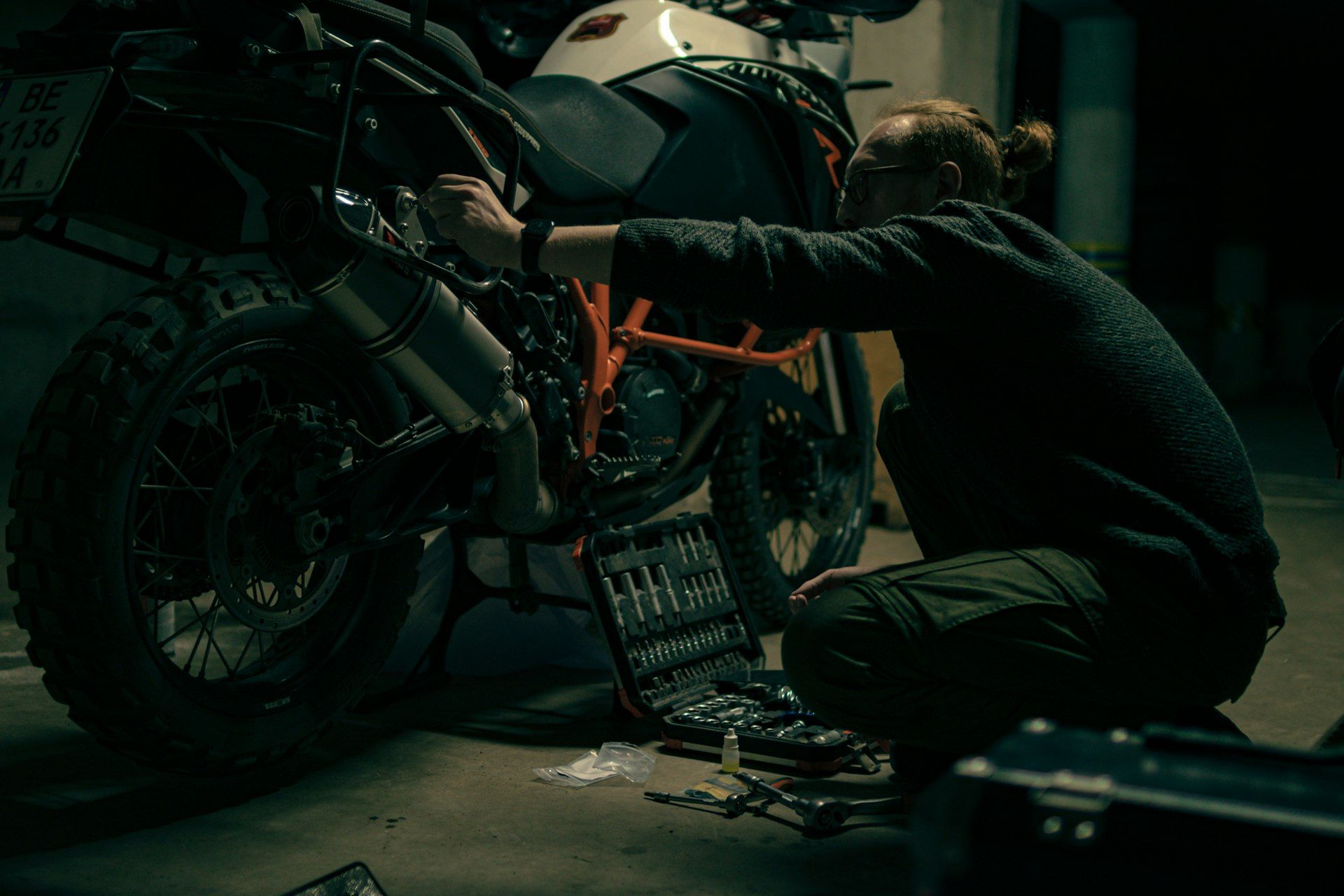 In the shop
Operators and product leaders inside motorcycle brands, distributors, and parts suppliers. The work is judged on one thing: did the next decision get easier.
We were about to add two models that overlapped on price and purpose. The portfolio review caught it before tooling, and we shipped one stronger bike instead of two weak ones.
Their accessory demand reading reshaped our launch bundle. We stopped guessing which cases and guards to stock and planned the catalog around what riders buy first.
The pricing work was the clearest part. They showed where our mid-tier sat against the market and why our entry model was quietly undercutting it.
We brought a messy spare-parts assortment and left with a tiered plan. Fast-moving lines are separated from the long tail, and holding cost dropped.
Lifecycle planning is usually an afterthought for us. Mapping a refresh-versus-phase-out call to real demand made the roadmap defensible to the board.
What I valued was the restraint. No inflated forecasts, no theatre. A structured read of the market and a short list of decisions worth making.
The market analysis didn't read like a slide deck. It read like a plan. We could act on the segment opportunities the same quarter.
They worked with our team rather than around it. The advisory notes were specific enough that engineering and commercial finally agreed on priorities.
Send the range, the market, and the question. We will tell you whether — and how — we can help.